
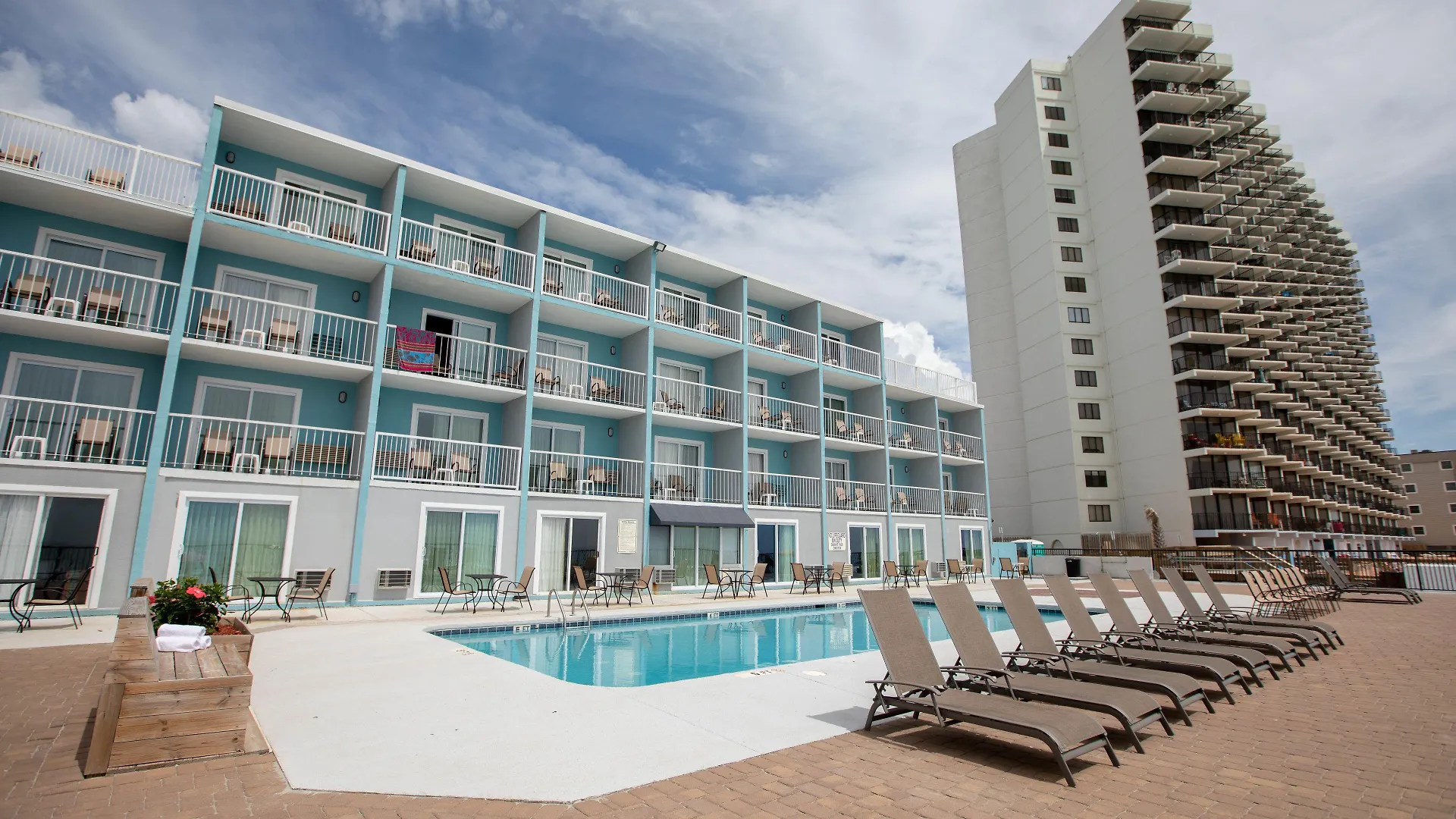
South Carolina packs a surprising range of stays into one state - oceanfront rooms steps from the Atlantic in Myrtle Beach, boutique retreats in the Blue Ridge foothills of Greenville, and golf resort villas along the Grand Strand. These four hotels stand out specifically for their location ratings, meaning guests consistently praised where they woke up, not just what was inside the room. Whether you're chasing the coast or the city, placement here drives the entire experience.
What It's Like Staying in South Carolina
South Carolina is a state of sharp contrasts: Myrtle Beach draws around 14 million visitors annually with its dense strip of resorts, entertainment venues, and golf courses, while Greenville offers a walkable downtown arts scene that feels closer to Asheville than a typical Southern city. Getting around without a car is rarely practical outside of downtown Greenville - the coast is almost entirely car-dependent, with most attractions spread across several kilometers of US-17. Crowd patterns peak hard from June through August along the Grand Strand, which means booking early and positioning yourself close to your main priorities genuinely changes the quality of your trip.
Pros:
Beachfront and golf access are often within walking distance or a short drive from well-positioned hotels, reducing daily transport friction
Myrtle Beach's concentration of restaurants, theaters, and entertainment means you rarely need to travel far once settled
Greenville's downtown core is compact and walkable, rewarding guests who stay within its grid
Cons:
The Myrtle Beach strip can feel overwhelming during summer - noise and foot traffic are constant near the oceanfront
Myrtle Beach International Airport is around 30 km from North Myrtle Beach properties, making airport transfers a real logistics consideration
Greenville lacks a beach, so guests wanting coastal access must commit to a 3-hour drive
Why Choose Hotels with High Location Ratings in South Carolina
A high location rating in South Carolina is more meaningful than in most states because the geography is so varied - a beachfront room in Murrells Inlet and a golf villa in North Myrtle Beach are both rated for location, but they serve entirely different travel styles. Hotels that score well for location in this state tend to sit either directly on the beach, within walking distance of a major attraction, or inside a destination resort zone where everything is self-contained. The price premium for beachfront or resort-embedded positioning is real, but so is the time saved: guests at top-rated-location properties typically skip daily car trips that can add 45 minutes of dead time to a beach day. Budget alternatives further inland may cost less per night but require factoring in transport costs and scheduling friction.
Pros:
Oceanfront and beachfront hotels eliminate the daily logistics of finding beach access, parking, and equipment transport
Resort-embedded properties like golf villas place guests within walking distance of their primary activity, maximizing usable vacation hours
High-location-rated hotels in Greenville place guests within easy reach of the Swamp Rabbit Trail, Falls Park, and the downtown restaurant corridor
Cons:
Beachfront positioning in peak season means noise from neighboring properties and crowded shared amenities
Around 80% of high-location hotels on the Grand Strand require a car for grocery runs and off-strip dining
Premium location hotels fill fastest - last-minute availability drops sharply after May for summer dates
Practical Booking & Area Strategy in South Carolina
For coastal stays, North Myrtle Beach offers a quieter alternative to the main Myrtle Beach strip while keeping golf courses, the Alabama Theater, and barefoot resort amenities within a short drive. Murrells Inlet, south of Myrtle Beach, is the state's seafood capital - staying near Garden City Beach puts you within minutes of the MarshWalk restaurant row and Huntington Beach State Park, one of the least crowded state parks on the East Coast. Greenville operates on a completely different rhythm: the Greenville-Spartanburg International Airport is only around 7 km from downtown hotels, making it an unusually convenient arrival city. For beach-focused travelers, book at least 8 weeks ahead for June and July dates; for Greenville, shoulder seasons in April and October offer the best combination of mild weather, lower rates, and festival activity including the Greenville Jazz Collective events and fall cycling events on the Swamp Rabbit Trail.
Best Value Stays
These properties deliver strong location positioning at accessible price points - beachfront and oceanfront access without the premium resort pricing of larger branded complexes.
-
1. Garden City Inn
Show on map


 Check-infrom 16:00 until 18:30Check-outfrom 10:00 until 11:00
Just a few rooms left at the best rate!
fromUS$ 89
-
2. Maritime Beach Club
Show on map


 Check-infrom 16:00 until 23:59Check-outfrom 08:00 until 10:00
Just a few rooms left at the best rate!
fromUS$ 139
Best Premium Stays
These two properties offer resort-scale amenities and destination-grade positioning - one embedded inside a top-ranked golf resort in North Myrtle Beach, the other set in Greenville's most architecturally distinctive hotel address.
-
3. Club Wyndham Dye Villas
Show on map


 Check-infrom 16:00 until 17:00Check-outuntil 10:00
Hurry – almost gone at this price!
fromUS$ 1151
-
4. Hotel Hartness
Show on map


 Check-infrom 15:00 until 23:59Check-outuntil 11:00
Rooms filling fast – secure the best rate!
fromUS$ 344
Smart Travel & Timing Advice for South Carolina
The Grand Strand coast operates on a binary season: June through August is peak demand, when beachfront rooms at properties like Maritime Beach Club and Garden City Inn fill weeks in advance and nightly rates climb steeply. September and October represent the strongest value window on the coast - water temperatures remain warm enough for swimming, crowds thin noticeably, and rates drop without the sacrifice of beach access. Greenville runs counter-seasonally: spring (April-May) and fall (October-November) are the premium periods, coinciding with outdoor festival season and ideal temperatures for the Swamp Rabbit Trail and Falls Park. Book at least 8 weeks ahead for any coastal stay between Memorial Day and Labor Day; for Greenville, 3-4 weeks out is generally sufficient outside of peak conference periods. A minimum of 3 nights is recommended for coastal properties to make travel logistics worthwhile - the drive from major East Coast cities averages 8 hours from Washington D.C. - while Greenville rewards shorter 2-night stays given the compact walkability of its downtown core.


